


The application and trend of fluid packaging
Time:Oct 27, 2023 Hits:In the rapidly evolving business landscape of today, fluid packaging is becoming an indispensable and key component across various industries. The continuous innovation and advancement in this technology offer endless possibilities for the packaging and transportation of a wide range of products. From food and beverages to cosmetics and pharmaceuticals, fluid packaging is revolutionizing the safety, convenience, and appeal of products, providing entirely new solutions.
The rapid advancement of fluid packaging technology has brought significant transformations to multiple industries. In the food sector, novel fluid packaging materials not only ensure product freshness and hygiene but also contribute to extending shelf life. In the pharmaceutical industry, fluid packaging not only enhances drug stability but also improves drug usability and portability. In the cosmetics domain, fluid packaging not only provides more stylish and convenient product packaging but also creates greater market appeal for brands.
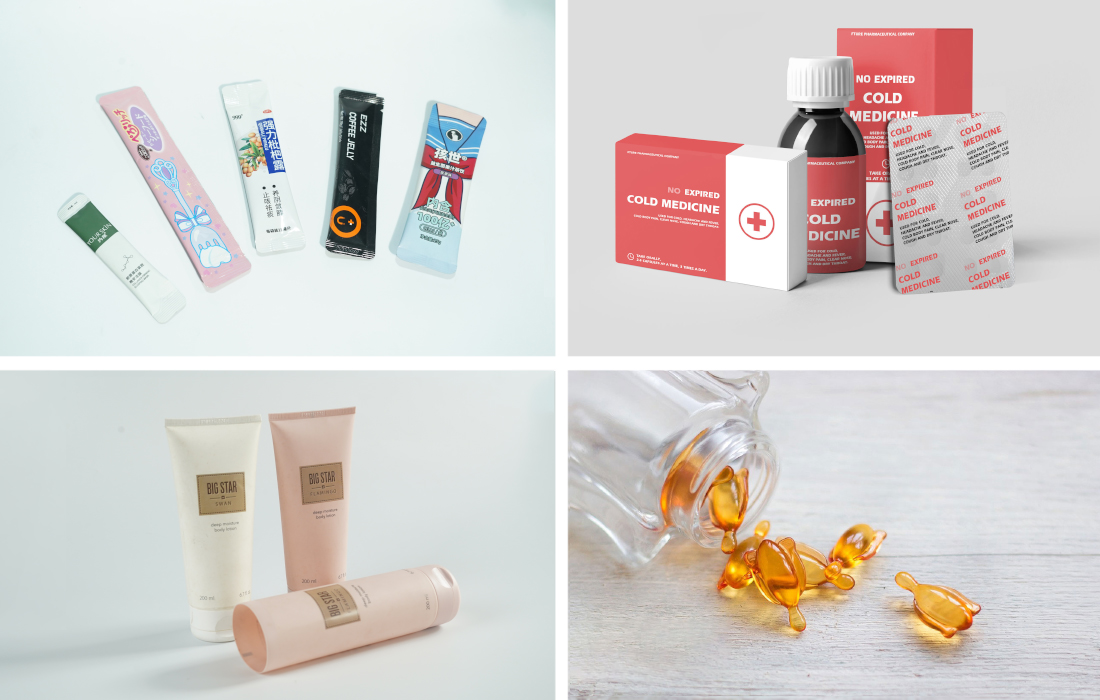
Fluid products have a wide range of applications in the market, depending on the nature of the product itself and the usage requirements. Liquid products are typically used for applications that require easy flow and spraying, semi-fluid products can provide some viscosity and adhesiveness, while paste products offer a thicker texture suitable for applications requiring longer adhesion. Regardless of the product state, it is essential to choose the appropriate packaging and application methods based on the desired performance.
1.Regarding the categorization of fluid types:
Liquid Products: Liquid products are substances with fluidity, where the distance between their molecules is relatively large, allowing them to flow freely. This typically refers to highly liquid raw materials, such as pure water, fruit juice, milk, beverages, oil, liquid detergents, liquid fertilizers, oral pharmaceutical solutions, and more.

Semi-Fluid Products: These products fall in between liquids and pastes, typically possessing a certain degree of viscosity while still maintaining the ability to flow. Their texture is thicker than pure liquids. This category usually includes sauces, condiments, lubricants, liquid seasonings, creams, toothpaste, jams, and more.
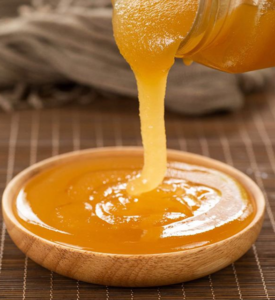
Paste Products: These are relatively thick products, sometimes in a semi-solid state. They typically do not flow freely and require squeezing or application by hand, for example. This category usually includes skincare products such as creams, hand creams, toothpaste, hair masks, ointments, wax-based balms, colloidal cosmetics, certain adhesives, hair styling products, and more.
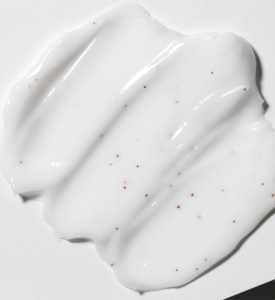
The flowability of substances is a crucial parameter when selecting a filling system, and viscosity is the key indicator used to describe the flowability of a substance. Liquid viscosity measures the substance’s resistance to shear forces, and it becomes apparent during initial and continuous flow. For example, liquids with higher viscosity require more significant force to flow compared to those with lower viscosity. The viscosity of a fluid is temperature-dependent.
Common units for measuring viscosity include centipoise (cP), poise (P), millipascal seconds (mPa·s), and pascal seconds (Pa·s). The conversion process is as follows:
- 1 centipoise (1 cP) = 1 millipascal second (1 mPa·s)
- 100 centipoise (100 cP) = 1 poise (1 P)
- 1000 millipascal seconds (1000 mPa·s) = 1 pascal second (1 Pa·s)
Based on the viscosity of different fluids, we can draw comparisons with common substances. Typically, water serves as a reference point with a viscosity of 1 centipoise (1 cP), making it flow very easily.
Viscosity values for various liquid mediums at different temperatures are as follows:
| Liquid Medium | Viscosity (cP) | Temperature (°C) |
| Water | 1 | 20 |
| Air | 0.0178 | 20 |
| Alcohol | 1.2 | 20 |
| CCl4 (Carbon Tetrachloride) | 0.9 | 20 |
| Benzene | 0.6 | 20 |
| C2H5OC2H5 (Ethyl Ether) | 0.2 | 20 |
| Yogurt | 152 | 40 |
| Egg | 150 | 4 |
| Milk | 3 | 18 |
| Whey 48% Sugar | 180-1500 | 38 |
| Cream 30% Fat | 14 | 16 |
| Cream 40% Fat | 48 | 16 |
| Cream 50% Fat | 112 | 16 |
| Cream 50% Fat | 55 | 32 |
| Beer | 1.1 | 4.5 |
| Chocolate | 17000 | 49 |
| Chocolate Milk | 280 | 49 |
| Glucose | 4300-8600 | 75-85 |
| Fruit Juice | 55-75 | 19 |
| Honey | 3000 | 20 |
| Pear Syrup | 4000 | 70 |
| Concentrated Orange Juice 30Brix | 630 | 21 |
| Concentrated Orange Juice 30Brix | 91 | 79 |
| Concentrated Orange Juice 50Brix | 2410 | 21 |
| Mayonnaise | 1300-2600 | 19 |
| Ketchup | 1000 | 29 |
| Tomato Paste 30% | 195 | 19 |
| Yeast Slurry | 20 | 19 |
| Edible Oil | 65 | 21 |
| Cough Syrup | 190 | 29 |
| Detergent | 1470 | 20 |
| Face Cream | 10000 | 21 |
| Hair Oil | 5000 | 21 |
| Lotion | 200 | 21 |
| Shampoo | 3000 | 35 |
| Soap Solution | 82 | 60 |
| Paper Glue | 3000 | 22 |
| Glycerol | 1500 | 20 |
| Partially Inverted Sugar Syrup | 2400 | 20 |
| Heavy Oil 180# | 180 | 20 |
2.Regarding the selection of fluid filling methods:
- Liquid Filling: Generally, it adopts atmospheric (equal pressure) filling.
- Semi-Fluid Filling: Generally, it adopts vacuum (negative pressure) filling.
- Paste Filling: Generally, it adopts plunger (pressurized) filling.
There is no essential difference in the fluid filling and packaging equipment. Conventional materials can be mutually filled. However, in terms of accuracy and output, there may be significant differences depending on the adapted product. By adding corresponding accessories and assembling various filling systems, the corresponding functional purposes can also be achieved.
With continuous technological innovation, fluid packaging is advancing towards greater environmental sustainability, increased intelligence, and multifunctionality. Sustainable development has become a top priority in the packaging industry, and many companies are exploring the use of biodegradable and recyclable materials to create eco-friendly fluid packaging solutions. The introduction of intelligent technologies has also brought greater convenience and safety to fluid packaging, such as smart induction caps and intelligent temperature control, providing more effective quality assurance for products.

Furthermore, the rise of multifunctional packaging offers consumers more choices, making packaging more diverse in terms of functionality. We categorize fluid packaging solutions into bottle packaging solutions, pouch packaging solutions, molding and filling solutions, liquid capsule solutions, hose solutions, and back-end box and carton solutions, creating a one-stop fluid solution to meet the needs of various industries and products.
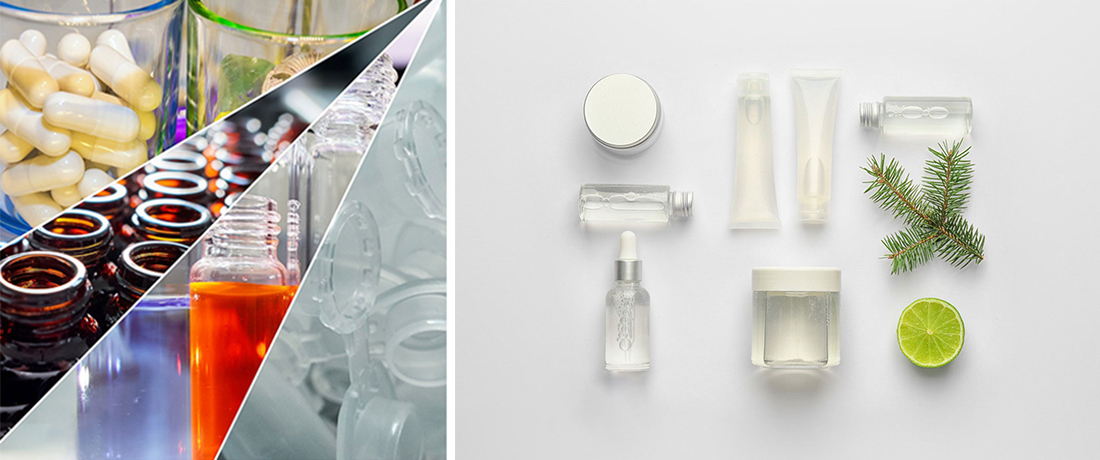
Our mission is to provide innovative, sustainable, and efficient fluid packaging solutions to meet your needs and help you succeed in the market. Continuous innovation in fluid packaging will further drive the development of various industries and change consumer lifestyles. In this highly competitive market, companies need to constantly seek innovation to offer safer, eco-friendly, and multifunctional fluid packaging solutions. With the power of technology, we are confident that fluid packaging will become a key driver of future business development, shaping an excellent new chapter in the future.